The Singapore EngineerMaterials technologyFebruary 2026
Design challenges and engineering considerations for existing fire protection infrastructure.
Published in The Singapore Engineer, the magazine of the Institution of Engineers, Singapore (IES), February 2026, page 60.
Environmental regulations targeting per- and polyfluoroalkyl substances (PFAS) are accelerating the transition from traditional Aqueous Film-Forming Foam (AFFF) to Synthetic Fluorine-Free Foam (SFFF), across many industrial sectors. While the regulatory drivers are clear, transitioning from existing fixed foam systems is rarely a simple replacement of foam concentrate. In practice, the change often introduces engineering challenges related to hydraulic capacity, equipment compatibility and system contamination.
Differences in fire suppression mechanisms
AFFF suppresses hydrocarbon fires, partly through the formation of an aqueous film across the fuel surface. This film helps seal vapours and enables rapid extinguishing at relatively moderate application densities.
Fluorine-free foams do not form this film layer. Instead, they rely on the physical stability of the foam blanket to separate fuel from oxygen and suppress vapours. As a result, fire control becomes more dependent on maintaining a robust and continuous foam layer across the hazard.
This difference can influence the required discharge density, foam distribution method and hydraulic system performance.
Hydraulic capacity of existing systems
In several industrial transition studies, the required discharge densities increased by approximately 40% to 70%, when switching from AFFF to fluorine-free foam. In some cases, this increase exceeded the available pump capacity of the existing installation.
Common constraints identified during system assessments include:
- Insufficient pump capacity
- Foam proportioners operating outside optimal viscosity ranges
- Excessive pressure losses within ageing pipe networks
- Insufficient number or capacity of discharge devices
Hydraulic verification is therefore a critical first step in evaluating the feasibility of any foam transition project.
Compatibility of foam discharge devices
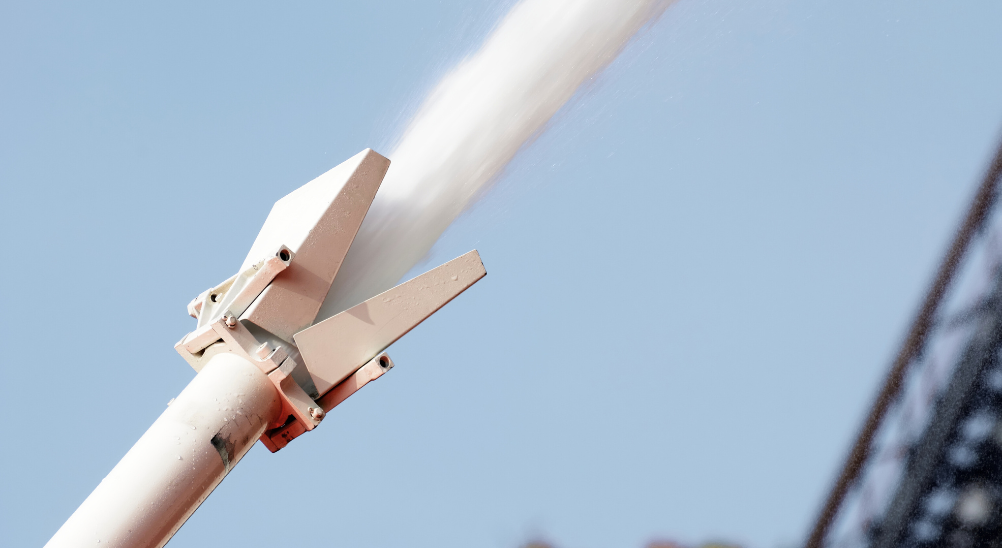
Existing discharge devices may also present challenges. Foam chambers, pourers, foam makers and sprinkler devices are often tested and certified with specific foam types.
Changes in foam expansion, drainage characteristics and bubble stability can affect how effectively fluorine-free foam spreads across the hazard surface. In certain systems, discharge hardware designed for AFFF may produce foam that breaks down more rapidly, when used with SFFF.
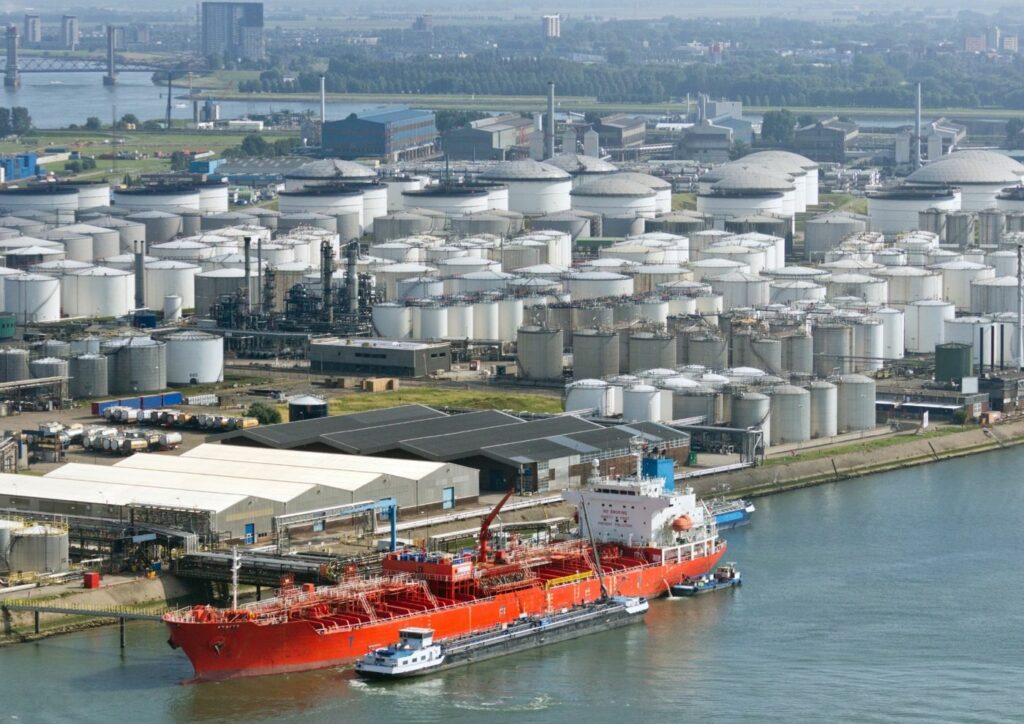
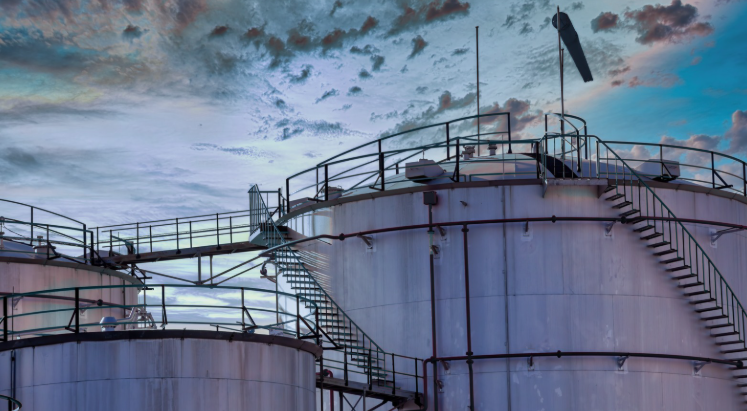
For storage tank protection systems, in particular, reliable foam distribution across the fuel surface is essential. Where existing devices cannot maintain adequate foam quality, modifications or replacement may be required.
Performance verification and fire testing
Another emerging practice in foam transition projects is the use of performance validation testing.
Because fluorine-free foam behaviour can vary, depending on fuel type, discharge method and system configuration, some operators are choosing to conduct fire performance testing to verify that transitioned systems meet operational expectations.
These tests may be carried out under controlled conditions designed to simulate representative hazards. While not required in every project, such testing can provide valuable assurance that the selected foam concentrate and discharge system will perform effectively under real fire scenarios.
Evolving best practices
The transition away from PFAS-based foam represents a significant shift in firefighting system design. For consulting engineers advising industrial operators, careful system assessment, hydraulic verification and compatibility review are essential before implementing any conversion.
In many projects, consultants are increasingly working alongside specialist fire protection practitioners to conduct system audits, hydraulic modelling and performance verification studies. As more facilities complete these transitions, industry experience will continue to refine best practices for fluorine-free fire protection systems.